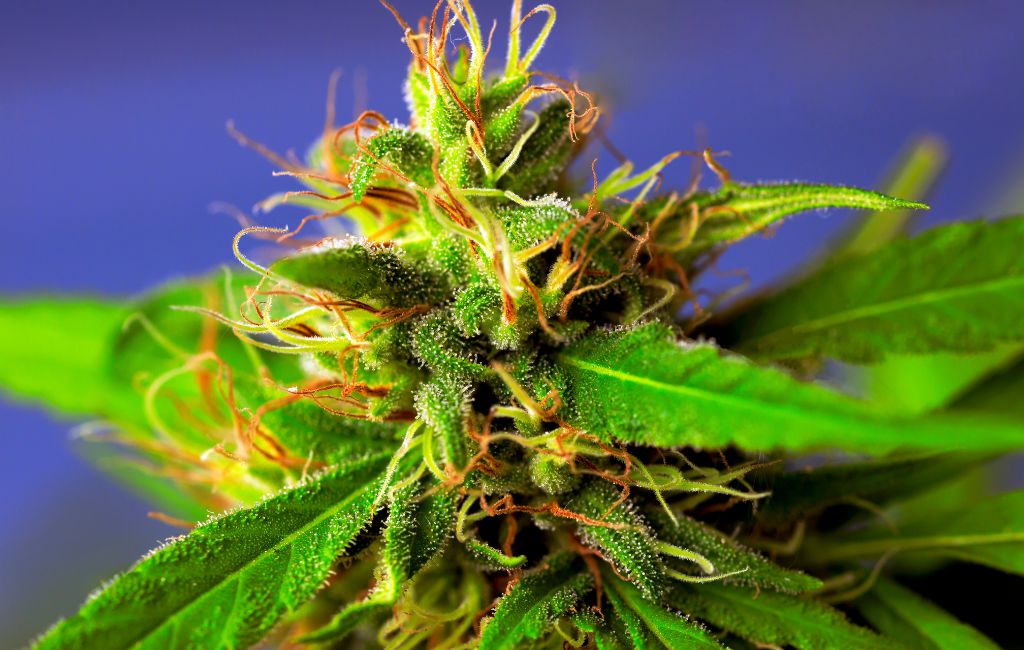
THCA Flower Natural Wellness
What to Expect When Using THCA Flower for the First Time
Introduction
In recent years, cannabis has actually gotten tremendous popularity not just for its psychedelic homes, but also for its therapeutic benefits. Amongst the myriad of how to get a more euphoric high compounds found in the marijuana plant, Tetrahydrocannabinolic acid (THCA) has actually emerged as a principal worth going over. If you wonder about discovering this fascinating substance and questioning what to anticipate when making use of THCA flower for the very first time, you have actually come to the ideal place.
First points initially: What is THCA? Unlike its even more renowned relative THC (Tetrahydrocannabinol), THCA is non-psychoactive in its raw kind. This indicates that you won’t experience the “high” commonly associated with cannabis use. Rather, numerous individuals report a variety of possible health and wellness advantages without the drunkenness. So, if you’re considering diving right into this world for the first time, let’s take a journey through everything you need to learn about THCA flower.
What is THCA?
Understanding Tetrahydrocannabinolic Acid
THCA stands for Tetrahydrocannabinolic acid. It is just one of over 100 cannabinoids found in the marijuana plant. Unlike THC, which is recognized for its psychedelic impacts, THCA does not generate a high unless it undertakes decarboxylation– a procedure normally attained via heating.
The Chemical Framework of THCA
THCA’s chemical structure consists of a carboxylic acid team attached to the THC framework. This slight difference makes all the difference when it comes to impacts:
- Non-Psychoactive: As mentioned earlier, THCA does not have psychedelic properties.
- Potential Benefits: Very early research factors towards various health benefits that can be attributed to this compound.
How Is THCA Produced?
THCA is present in fresh marijuana plants and can be removed from raw buds and blossoms. Comprehending how it’s generated assists describe why fresh or live cannabis items often have greater levels of THCA contrasted to dried cannabis.
Benefits of Using THCA Flower
Therapeutic Prospective of THCA
One of the key factors people are curious about what to anticipate when using THCA flower for the very first time is its prospective medical advantages. Here are some areas where THCA might have favorable impacts:
Comparison with Various other Cannabinoids
While many users might be acquainted with CBD and THC, understanding how THCA compares can help clarify what you can expect:
|Substance|Psychoactive|Medical Benefits|| ———-|————–|——————|| THC|Yes|Pain alleviation, euphoria|| CBD|No|Anxiousness decrease|| THCA|No|Anti-inflammatory|
What Are the Negative effects of THCA?
Understanding Potential Risks
While lots of users commend thca flower for its advantages, it’s necessary to recognize that side effects can happen:
Long-Term Usage Considerations
As with any kind of compound, long-lasting use must be approached very carefully:
- Users need to monitor their bodies’ reactions over time.
- Regular examinations with medical care specialists can make certain risk-free use.
How to Make use of THCA Flower Effectively
Methods of Consumption
If you’re excited regarding checking out thca blossom however unsure just how finest to consume it, right here are several preferred methods:
Finding Your Dosage
Determining the best thca dosage can vary relying on private factors such as body weight, metabolic rate, and previous experience with cannabinoids:
What Must You Anticipate When Utilizing THCA Blossom for the First Time?
When diving into something new like thca flower consumption for the very first time, setting sensible expectations will enhance your experience:
FAQs About Making use of THCA Flower
1. Can I obtain high from utilizing THCA flower?
No! What sets thca besides traditional THC is that it doesn’t induce psychoactivity unless heated up with decarboxylation.
2. How much THCA needs to I begin with?
For novices, starting around 5– 10 mg per serving allows space for changes based on individual resistance levels.
3. Are there any type of communications I need to be aware of?
Yes! Always consult your doctor before incorporating thca with other medications as communications may occur.
4. Exactly how do I keep my thca flower?
Store your thca flower in a trendy dark area in an impermeable container to preserve potency.
5. Is there any type of research supporting thca benefits?
Preliminary researches recommend numerous possible therapeutic effects; nonetheless, more substantial research study is required for definitive conclusions.
6. Can I use thca if I’m expecting or breastfeeding?
It’s ideal to consult healthcare specialists regarding any type of cannabinoid use during pregnancy or breastfeeding as a result of limited research on safety.
Conclusion
Diving right into the world of cannabinoids can really feel discouraging at first– specifically when browsing terms like “thca,” “thca blossom,” and their corresponding benefits and negative effects– but expertise really equips! By comprehending what makes thca unique and what you can expect when making use of thca blossom for the first time will unquestionably improve your experience.
So whether you’re interested in discovering potential health and wellness benefits or just interested about this non-intoxicating choice within cannabis society– welcome this journey fully educated! Bear in mind always to listen very closely to your body’s action as you start this interesting journey right into health via nature’s bounty!
THCA Flower and Its Potential Benefits for Pain Relief
In recent years, the exploration of cannabis and its derivatives has gained significant momentum, particularly in the context of pain management. Among the various compounds found in cannabis, THCA (tetrahydrocannabinolic acid) has emerged as a subject of interest. This article delves into the potential benefits of THCA flower from indacloud.co for pain relief, examining its properties, mechanisms, and real-world applications.
Understanding THCA: The Basics
THCA is a non-psychoactive cannabinoid found in raw and live cannabis plants. Unlike THC (tetrahydrocannabinol), which is known for its psychoactive effects, THCA does not produce a “high.” This makes it an appealing option for individuals seeking therapeutic benefits without the mind-altering effects associated with THC.
THCA is the precursor to THC. When cannabis is heated through smoking, vaping, or cooking, THCA undergoes decarboxylation, converting into THC. This transformation is why raw cannabis does not produce psychoactive effects until it is heated.
The Science Behind THCA and Pain Relief
Research into THCA is still in its early stages, but preliminary studies suggest that it may offer anti-inflammatory and analgesic properties. These attributes are particularly relevant for pain management, as inflammation is a common underlying factor in many pain-related conditions.
THCA interacts with the body’s endocannabinoid system (ECS), a complex network of receptors and neurotransmitters that play a role in regulating various physiological processes, including pain perception. By modulating the ECS, THCA may help reduce pain and inflammation.
Anti-Inflammatory Properties
- THCA has been shown to inhibit the production of pro-inflammatory enzymes, potentially reducing inflammation at the source.
- Animal studies have demonstrated that THCA can decrease inflammation in conditions such as arthritis, suggesting its potential for human applications.
Analgesic Effects
- THCA may influence pain pathways by interacting with specific receptors in the ECS, leading to reduced pain perception.
- Some anecdotal evidence from patients using THCA-rich products indicates a decrease in chronic pain symptoms.
Real-World Applications and Case Studies
While scientific research is ongoing, anecdotal evidence and case studies provide valuable insights into the potential benefits of THCA for pain relief. Patients with chronic pain conditions, such as fibromyalgia and arthritis, have reported positive outcomes when using THCA-rich products.
One case study involved a patient with rheumatoid arthritis who incorporated THCA into their treatment regimen. Over several months, the patient experienced a significant reduction in joint pain and swelling, allowing for improved mobility and quality of life.
Another example includes individuals with fibromyalgia who have found relief from muscle pain and fatigue through the use of THCA tinctures and topicals. These personal accounts highlight the potential of THCA as a complementary approach to traditional pain management strategies.
THCA Flower: Consumption Methods
For those interested in exploring THCA for pain relief, various consumption methods are available. Each method offers unique benefits and considerations, allowing individuals to tailor their approach based on personal preferences and needs.
Raw Consumption
- Consuming raw cannabis leaves or flowers in smoothies or salads preserves THCA in its natural form.
- This method avoids the psychoactive effects associated with THC, making it suitable for daytime use.
Tinctures and Oils
- THCA tinctures and oils provide a convenient way to incorporate THCA into daily routines.
- These products can be taken sublingually for faster absorption or added to food and beverages.
Topicals
- THCA-infused creams and balms can be applied directly to the skin, targeting localized pain and inflammation.
- This method is particularly beneficial for joint pain and muscle soreness.
Challenges and Considerations
Despite the promising potential of THCA for pain relief, several challenges remain. The legal status of cannabis and its derivatives varies by region, affecting accessibility and availability. Additionally, the lack of standardized dosing guidelines can make it difficult for patients to determine the appropriate amount for their needs.
Quality control is another concern, as the cannabis industry is still evolving. Ensuring that products are free from contaminants and accurately labeled is essential for consumer safety and efficacy.
Conclusion
THCA flower presents a promising avenue for pain relief, offering anti-inflammatory and analgesic properties without the psychoactive effects of THC. While scientific research is still developing, anecdotal evidence and case studies suggest that THCA may benefit individuals with chronic pain conditions. As the cannabis industry continues to evolve, further research and standardization will be key to unlocking the full potential of THCA for pain management.
-
Table of Contents
THCA Flower Natural Wellness
In recent years, the wellness industry has seen a surge in interest surrounding natural remedies and holistic health solutions. Among these, THCA flower has emerged as a promising option for those seeking alternative wellness solutions. This article explores the benefits, uses, and scientific backing of THCA flower, shedding light on why it is gaining popularity.
What is THCA Flower?
THCA, or tetrahydrocannabinolic acid, is a non-psychoactive cannabinoid found in raw and live cannabis plants. Unlike THC, which is known for its psychoactive effects, THCA does not produce a “high.” When cannabis is heated through smoking, vaping, or cooking, THCA converts into THC. However, when consumed in its raw form, THCA offers a range of potential health benefits without the psychoactive effects.
How THCA Differs from THC
While both THCA and THC originate from the same plant, their effects on the body are quite different. THCA is the precursor to THC and is found in raw cannabis. It is only through decarboxylation, a process involving heat, that THCA transforms into THC. This distinction is significant for those who wish to experience the therapeutic benefits of cannabis without the psychoactive effects.
Health Benefits of THCA Flower
Research into THCA is still in its early stages, but preliminary studies and anecdotal evidence suggest several potential health benefits:
- Anti-inflammatory Properties: THCA has shown promise in reducing inflammation, making it a potential option for those suffering from conditions like arthritis and lupus.
- Neuroprotective Effects: Some studies indicate that THCA may help protect brain cells, which could be beneficial for neurodegenerative diseases such as Alzheimer’s and Parkinson’s.
- Anti-emetic Benefits: THCA may help reduce nausea and vomiting, which is particularly useful for patients undergoing chemotherapy.
- Antioxidant Properties: The antioxidant effects of THCA can help combat oxidative stress, contributing to overall cellular health.
Scientific Studies and Evidence
Several studies have begun to explore the potential benefits of THCA. For instance, a study published in the “British Journal of Pharmacology” found that THCA exhibited anti-inflammatory properties in animal models. Another study in the “Journal of Neuroimmune Pharmacology” suggested that THCA could offer neuroprotective benefits.
While more research is needed to fully understand the scope of THCA’s benefits, these initial findings are promising. They provide a scientific basis for the anecdotal evidence that has been accumulating from users who report positive health outcomes.
Real-World Applications and Case Studies
Several individuals have shared their experiences with THCA flower, highlighting its potential as a natural wellness solution. For example, Jane, a 45-year-old arthritis patient, reported significant relief from joint pain and inflammation after incorporating THCA flower into her daily routine. Similarly, Mark, a cancer patient undergoing chemotherapy, found that THCA helped alleviate his nausea and improved his overall quality of life.
These real-world examples underscore the potential of THCA flower as a viable option for those seeking natural remedies for various health conditions.
How to Use THCA Flower
There are several ways to incorporate THCA flower into your wellness routine:
- Juicing: One of the most popular methods is juicing raw cannabis leaves and flowers. This allows you to consume THCA in its natural form.
- Tinctures: THCA tinctures can be added to beverages or taken sublingually for quick absorption.
- Topicals: THCA-infused creams and balms can be applied directly to the skin for localized relief.
- Capsules: THCA capsules offer a convenient way to consume a precise dose of THCA.
Legal Considerations
The legal status of THCA flower varies by region. In some areas, it is considered legal as long as it contains less than a certain percentage of THC. It is advisable to check local regulations before purchasing or using THCA products.
Conclusion
THCA flower represents a promising addition to the natural wellness landscape. With its potential anti-inflammatory, neuroprotective, anti-emetic, and antioxidant properties, it offers a range of benefits without the psychoactive effects associated with THC. While more research is needed to fully understand its capabilities, the existing evidence and real-world testimonials suggest that THCA flower could be a valuable tool for those seeking alternative health solutions.